
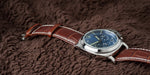




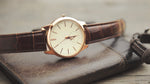



Anyone interested in watches will probably also be familiar with the characteristics of mechanical and quartz watches . While quartz watches are powered by a battery, mechanical watches work quite differently.
How exactly do mechanical watches and quartz watches differ? A mechanical watch is powered by energy stored and released by a mainspring. In a quartz watch, the battery supplies energy to gears that set them in motion. These small gears are connected to hands, which then also move. Quartz watches are very accurate and more affordable. Mechanical watches are absolute classics and popular among watch enthusiasts.
The history of mechanical and quartz clocks is as different as their functionality . The first wheel clocks (predecessors of mechanical clocks) were built in the 14th century. They were large clocks installed in churches. In the 17th and 18th centuries, mechanical clocks were popular as pocket watches.
In 1910, French watchmaker Abraham Louis Breguet created the first mechanical wristwatch for Caroline Murat, Queen of Naples and Napoleon's youngest sister. From then on, its functionality was continually refined.
In 1927, Canadian physics engineer Warren Marrison invented the first quartz watch . During the 1960s, quartz watches became socially acceptable. In the 1970s and 1980s, quartz watches were so popular that they almost completely displaced mechanical watches from the market.
During this period, the Swiss watch industry faced a crisis, the so-called quartz crisis . After all, it specialized in the production of mechanical watches. Around 1990, the trend began to recover, and both quartz and mechanical watches are now enjoying great popularity.
How do mechanical watches work?
Unlike a quartz watch, a mechanical watch works without a battery. It is powered by a spring and a gear train . Energy is stored by winding a spring. The tension of this spring is released step by step to set the gears in motion. As a result, the hands move .
The escapement ensures the regular running of the watch by preventing the uncontrolled running of the gear train and converting rotational energy into a periodic beat. The typical ticking sound you can hear when you hold the watch to your ear comes from the escapement.
There are mechanical watches with manual winding and automatic winding. Manually wound watches must be wound manually on a regular basis. This is done by turning the winding crown, which is usually located on the right side of the case. Turning the winding crown drives the gears.
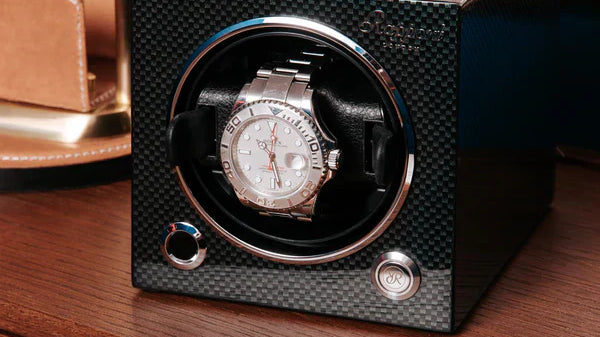
An automatic watch essentially winds itself. The prerequisite is that it is worn regularly. The movements of the hand or arm move a rotor inside the watch case. As a result, the rotor winds the mainspring.
For mechanical watches, we recommend having them serviced every five years . You should also clean your mechanical watch regularly with a microfiber cloth or slightly damp cotton cloth.
With high-quality watch straps like the timeless products from HappyStrapy , you can increase the longevity of your mechanical watch. You can also easily change the look of your watch for any occasion.
How does a quartz watch work?
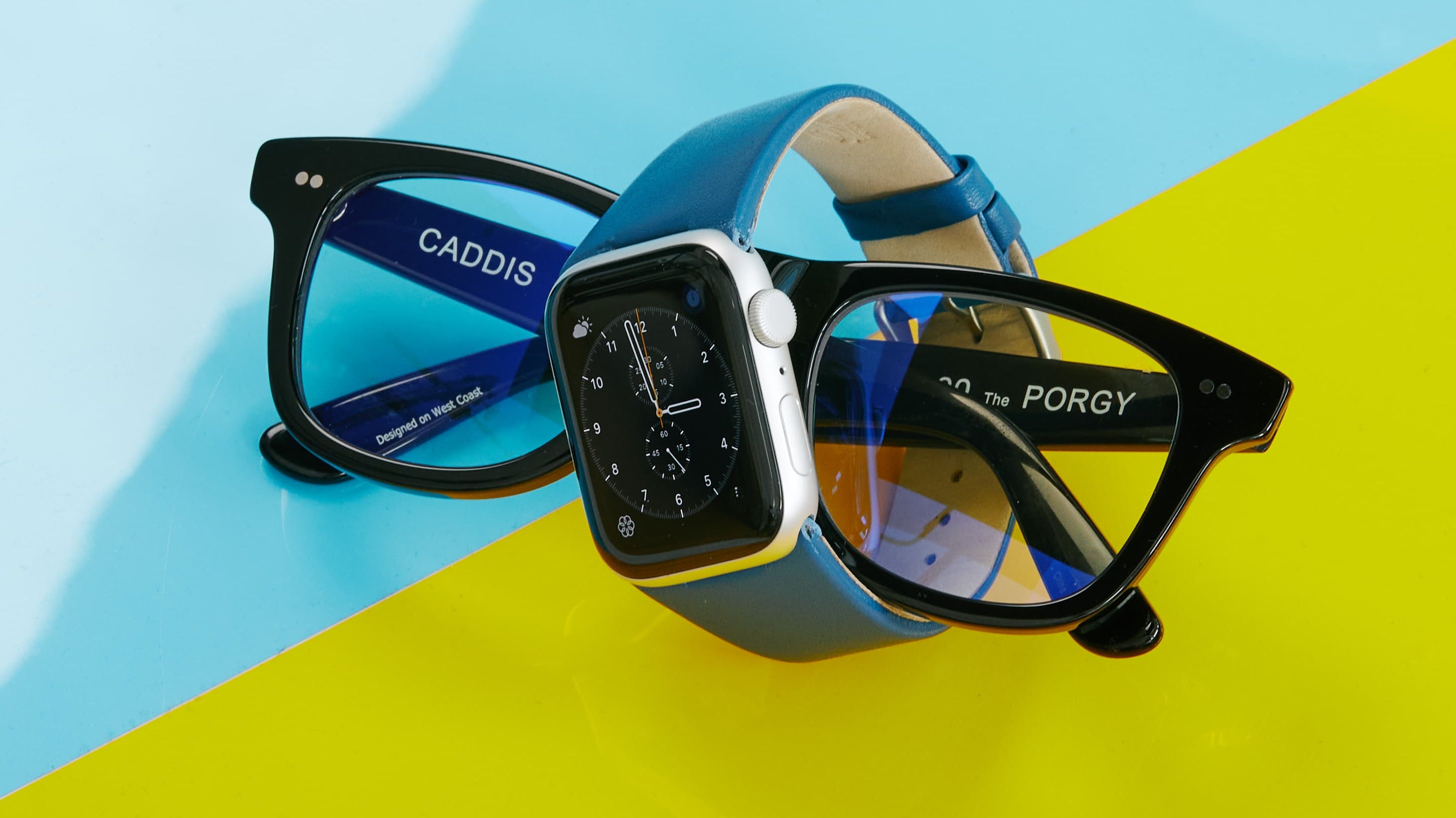
A quartz clock works with the help of a battery. This transfers energy to small gears, setting them in motion. The gears are connected to the hands, which also move and display the time.
The oscillator sets the rhythm in a clock. It converts energy into a periodic oscillation. In quartz clocks, this oscillator is a small quartz crystal located in the clockwork and shaped like a tuning fork.
The higher the frequency of an oscillator, i.e., the faster it oscillates, the more precisely the clock runs. The quartz oscillator has an extremely high frequency, which ensures that quartz clocks are very precise.
Advantages of quartz watches:
- High precision
- Easy handling
- Resilience
- Rare maintenance required
- Affordable
Well-known and legendary quartz watch models include the Rolex Oysterquartz , the Cartier Tank Must de Cartier , the IWC Ingenieur SL Quartz Ref. 3303 , the Grand Seiko Heritage Quartz and the Audemars Piguet Royal Oak Quartz .
In our article “The Crème de la Crème of the Most Famous Luxury Watch Brands,” you can learn more about coveted collectibles that represent excellent and timeless craftsmanship.
Design recommendation: HappyStrapy's diverse watch straps are a perfect match for quartz watches. Let our exclusive leather and vintage straps, as well as innovative vegan and waterproof straps, convince you.
What are the advantages and disadvantages of mechanical watches?
Mechanical watches are true classics . They have a long history and represent beauty and craftsmanship. This makes them very attractive to collectors. What are the pros and cons of mechanical watches?
Advantages of mechanical watches:
- Precision mechanical brilliance
- High emotional value
- Traditional product
- Timeless design
- Longevity: a watch for life
- No battery change necessary
Disadvantages of mechanical watches:
- Slightly less accurate than quartz watches
- Regular maintenance required (approximately every five years)
- More expensive than quartz watches
Mechanical men's and women's watches continue to enjoy great popularity. With HappyStrapy 's stylish watch straps , you can add a personal touch to your watch.
Why does the majority prefer quartz watches?
Quartz watches are extremely accurate. Many appreciate their exceptional precision . They are easy to use because they are powered by a battery, which needs to be replaced approximately every two to four years.
Women's and men's quartz watches are cheaper to produce. Therefore, they are generally more affordable than mechanical watches. They also require less maintenance .
Digital quartz watches are also becoming increasingly popular. They are highly precise, reliable, and practical. They are sought-after companions for everyday life and sporting activities.
Whether digital or analog, quartz watches offer a variety of attractive designs. HappyStrapy watch straps increase the durability of your watch and emphasize your personal style.

Which type of watch is suitable for whom?
Mechanical watches are suitable for people who value tradition and technical sophistication. They complement a more classic look. They are perfect for special events or important business meetings.
Mechanical watches are less suitable for sporting activities. This is where quartz watches come in. They exude a casual look and are robust. Quartz watches are the ideal companion for everyday work and leisure activities.
Mechanical watches are a suitable choice for you if…
- You are a fan of traditional craftsmanship
- You have an elegant, classic style
- You are looking for a watch for life
- You are willing to invest more in your dream property
- a watch should be associated with emotions for you
- You are a watch collector
Tip: Our elegant leather watch straps, such as the timeless BALI model made of calfskin with alligator embossing, are a perfect match for mechanical watches .
Quartz watches are a suitable choice for you if…
- You attach great importance to accuracy
- You also want to wear your watch while exercising
- You are looking for a robust watch for every everyday situation
- Her style is casual, uncomplicated and sporty
- You are looking for a more affordable watch
- the watch should be low-maintenance
Tip: Have you tried HappyStrapy's waterproof watch straps ? Models like the DIVER RF are perfect for sporting activities and complement your quartz watch.
What role does design play in the choice between mechanical and quartz watches?
The design of quartz watches is usually more purist than that of mechanical watches. Quartz watches exude functionality, sportiness, casualness, and a straightforward aesthetic. They have a modern look and represent precision.
The design of mechanical watches is characterized by elegance, timelessness, and exclusivity. The mechanical movement is the heart of every model. Therefore, many mechanical watches feature a transparent case back to reveal the sophisticated mechanics.
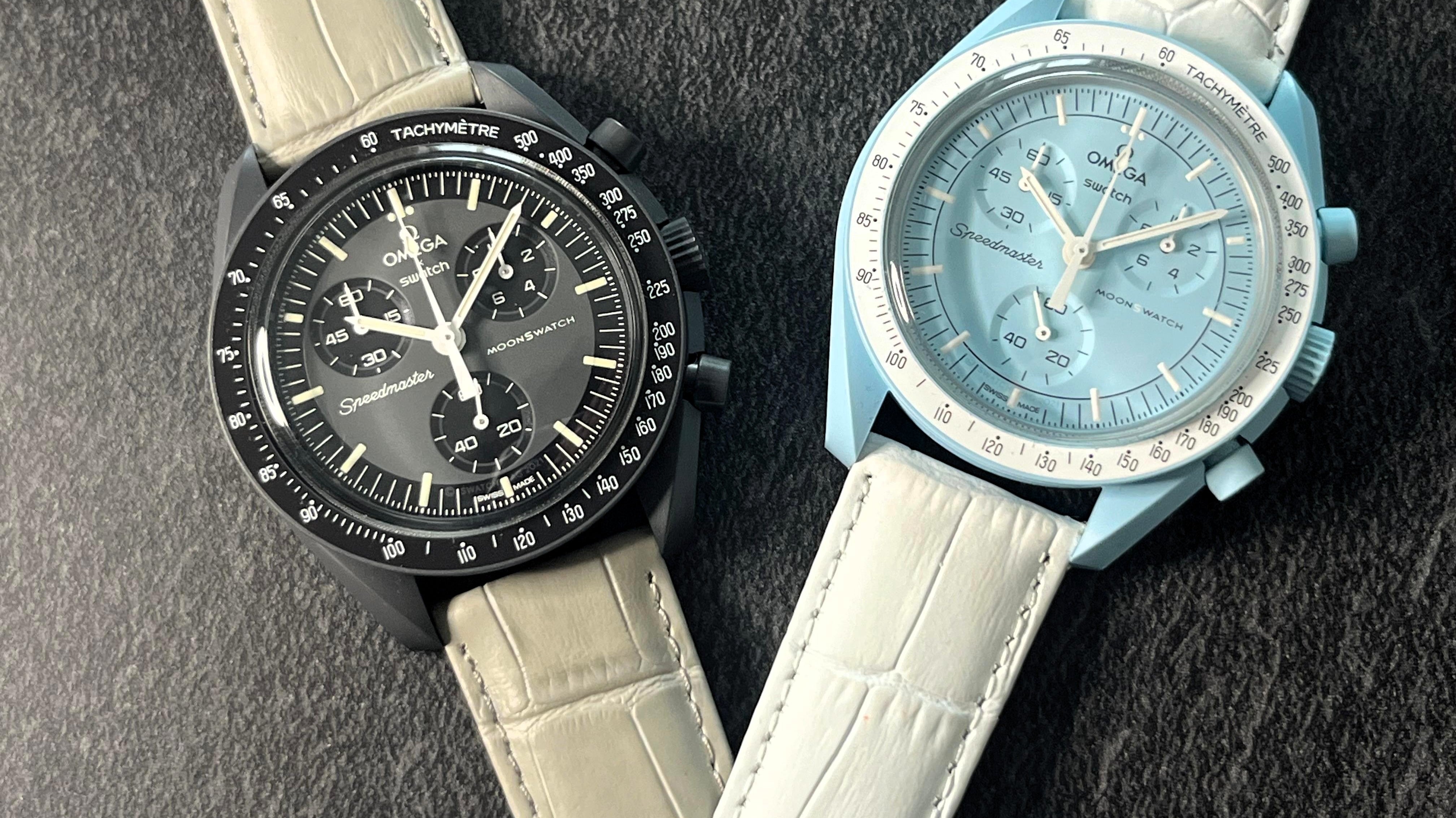
Mechanical chronographs , which feature a start and stop function with a central second hand , are also extremely popular . Mechanical watches are often passed down to the next generation as heirlooms.
Classic mechanical watch manufacturers include Patek Philippe, Rolex, Audemars Piguet, IWC, and Nomos Glashütte. Well-known quartz watch brands include Citizen, Swatch, Casio, and Skagen. However, there are also overlaps: Rolex, Audemars Piguet, and IWC, for example, also produce quartz watches, while brands like Citizen have mechanical watches in their portfolio.
Recommended reading: What makes a watch a legend? In our article "Legendary wristwatches and their wearers," you'll learn more about cult watches that carry a piece of history within them.
How much do mechanical and quartz watches cost in comparison?
Mechanical watches represent technical perfection and are in the higher price segment. However, there are also attractive entry-level models that are significantly more affordable: The Japanese manufacturer Seiko offers entry-level watches for around €350 to €500. Tissot offers mechanical watches starting at around €600.
With regard to mechanical luxury watches, let's take Rolex as an example : According to list prices, most models range between €5,000 (Rolex Oyster Perpetual 31) and €35,000 (Rolex Day-Date 40). Actual market prices can vary and are generally significantly higher.
Incidentally, the Rolex Cosmograph Daytona with reference 6239, which was owned by Paul Newman, is the most expensive Rolex watch ever sold. Its price: $17.8 million.
Mechanical watches represent prestige and luxury. They generally retain their value and represent an attractive investment . Detailed information on this topic can be found in our article "Wristwatches as an Investment: Which Models Promise Value Appreciation? "
Quartz watches are generally more affordable than mechanical watches. They offer excellent accuracy and functionality. Quartz watches can be purchased for as little as €30, but you should pay close attention to the quality. Manufacturers like Fossil and Festina offer attractive models for €150 to €200—ideal entry-level watches.
Of course, there are also quartz watches in the luxury segment. The Breitling Chronomat 32 costs around €4,500. The TAG Heuer Formula 1 quartz watch is available for around €2,000.
Even in the long run, quartz watches are cheaper than mechanical watches because there are no regular maintenance costs. With quartz watches, a battery change every two to four years is usually sufficient.
Conclusion: Mechanical or quartz watch – which is the right choice for you?
The biggest difference between quartz watches and mechanical watches lies in how they work. Quartz watches are powered by a battery, which sets the gears and hands in motion.
A mechanical watch has a complex, battery-free movement. A mainspring stores energy and releases it to move the gears and hands. Mechanical watches are available with manual winding and automatic winding.
Whether you choose a mechanical or quartz watch depends on your personal preferences, budget, and lifestyle. Quartz watches, for example, stand for excellent accuracy, functionality, robustness, and excellent value for money.
Mechanical watches represent elegance and luxury. They feature precision engineering brilliance, a timeless design, and are often associated with high emotional value.
When making your decision, listen to your gut feeling and choose the watch that best suits you and your lifestyle. With HappyStrapy 's diverse watch straps, you can perfect your watch and make it unique.
FAQs about mechanical and quartz watches
Which watches are more accurate – mechanical or quartz watches?
Quartz watches are more accurate than mechanical watches because the quartz oscillator (which sets the clock's rhythm) has an extremely high frequency. This makes quartz watches very precise.
Are mechanical watches always more expensive than quartz watches?
Mechanical watches are generally more expensive than quartz watches. However, there are also high-priced quartz watches from the luxury segment (e.g., from Breitling or TAG Heuer) and affordable mechanical watches (e.g., from Seiko) that are suitable as entry-level watches.
How often do mechanical and quartz watches need to be serviced?
Mechanical watches need to be serviced approximately every five years. For quartz watches, simply changing the battery is usually sufficient – about every two to four years.