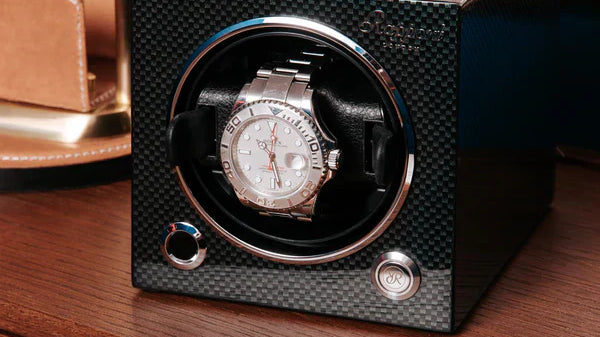

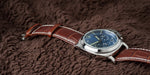



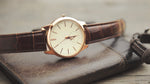
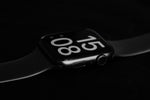

Do you want to ensure that your watch is not only functional but also a real eye-catcher? We completely understand that – because for us, too, a wristwatch is not just a mere timepiece , but also an accessory that elegantly highlights your personality and makes it visible in everyday life.
Choosing the perfect watch is a complex process , as it depends on many factors such as the occasion, budget, and personal taste. In this guide, we'll give you valuable tips on how to find the perfect watch model that showcases your personality and matches every outfit.
How do I find the perfect watch? You can find the perfect watch by considering your personal style and the occasions you plan to wear it. Measure your wrist size and check its diameter before purchasing. Choose a strap material that suits your lifestyle—leather for elegance, rubber, or canvas for sports. Consider which features are essential to you and set a budget. Only then should you begin your search for the perfect watch.
The most important factors when choosing a wristwatch
Choosing a watch is like choosing other accessories and clothing: There's no right or wrong answer , because ultimately, a lot depends on your personal taste. Before you start looking for the perfect watch, however, you can ask yourself a few questions that will help you make a choice you'll be happy with for a long time.
What is your occasion?
Choosing the right watch depends largely on the occasion . For business meetings or formal dinners, an elegant, understated watch exudes professionalism and style. In a professional setting, classic watches with leather straps or understated metal watches are popular. For leisure activities or everyday wear, you can choose more relaxed models that offer robustness and comfort—such as watches with rubber or canvas straps. If you're a sports enthusiast, other features like a waterproof case and a sturdy strap are important.
What is your budget?
In addition to the occasion, price is also important when choosing the right watch. Not everyone wants to spend what luxury watches from Rolex or Cartier cost. The good news is: brand-name watches are available in a wide range of price categories , from affordable models for everyday wear to high-priced luxury watches.
Before you start your search, it's best to set a clear budget to narrow down the available options. For beginners, there are watches for under € 200 that look good and serve their purpose perfectly. Here's a simple table that gives you an overview of the different price ranges:
|
Price range |
Characteristics |
Typical brands |
|
Under 200 euros |
Reliable, functional |
Casio, Timex, Swatch, Citizen, Orient |
|
200-800 euros |
Advanced features, better materials |
Seiko, Tissot, Hamilton, Bulova, Certina |
|
Over 800 euros |
Luxurious materials, exclusive design, prestigious watch brand |
Omega, Rolex, Breitling, TAG Heuer, IWC |
Which style do you like?
Last but not least, we come to style—a category completely independent of price. If you buy a watch for € 10,000 and it doesn't suit your style, you probably won't enjoy it very much. Generally speaking, you can choose from the following five watch styles:
- Classic: Timeless, elegant, often with Roman numerals or simple dials.
- Modern: Minimalist, trend-oriented, often with unusual materials or shapes.
- Sporty: Functional, robust, with additional features for sporting activities.
- Elegant: Luxurious, with precious materials such as gold or gemstones.
- Vintage: Retro, often collectibles with history.
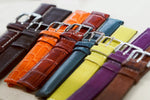
Straps for brand-name watches also vary. You can choose from leather or metal, for example.
Types of watches and their functions
The selection of wristwatches is fascinating. Once you read up on the topic, you'll quickly realize how versatile these little everyday helpers can be. Different types of watches offer not only distinct styles but also specific functions tailored to specific activities or occasions. We'll introduce you to the most important types and functions.
What types of wristwatches are there?
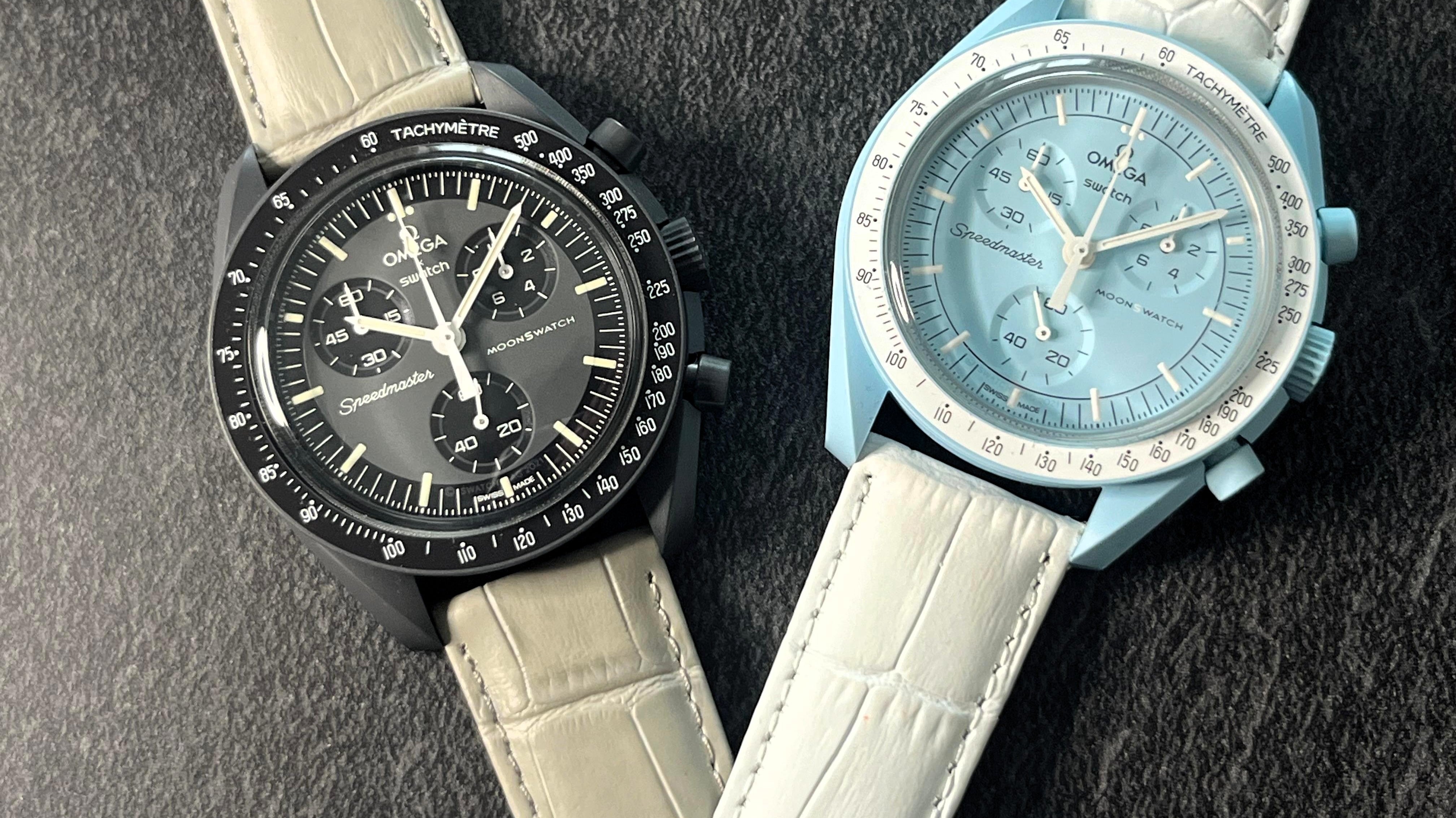
Watch types such as chronographs, diving watches, and smartwatches are all designed for different purposes. Thanks to their stopwatch function, chronographs can be indispensable not only for sports but also for other everyday activities such as work or cooking. They still look like a classic, elegant wristwatch. Smartwatches, on the other hand, offer a significantly wider range of functions but usually have a modern look that may not appeal to everyone. Diving watches and pilot's watches, on the other hand, were developed for specific purposes. In our table, we present the most important watch types:
|
Watch type |
Functions |
Popular models |
|
Chronograph |
Stopwatch, often with tachymeter |
Omega Speedmaster |
|
diving watch |
Water resistant, rotating bezel |
Rolex Submariner |
|
Dress Watch |
Elegant design, simple number |
Cartier Tank |
|
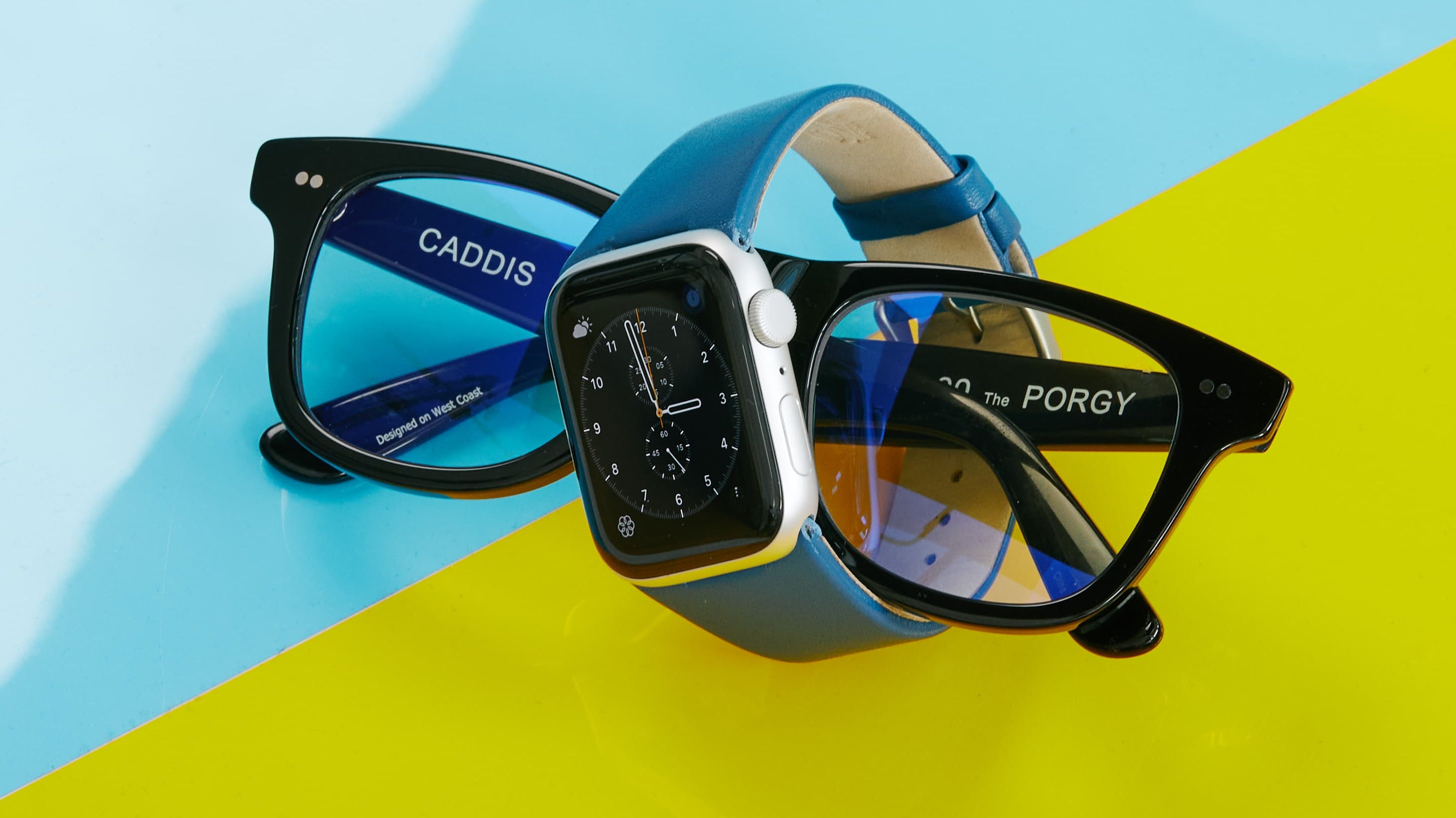
Smartwatch |
App integration, fitness tracker |
Apple Watch, Samsung Gear |
|
Pilot's watch |
Large digits, easy to read, shockproof |
Breitling Navitimer |
|
Field clock |
Robust, functional, military standard |
Hamilton Khaki Field |
Which features are important to you?
When purchasing a watch, it's important to consider which features are essential for you and your lifestyle . Do you need a stopwatch for timing? Is a date display important to you? Are you looking for a waterproof watch for swimming or diving? Or are you interested in health features like a heart rate monitor? Here's an overview of common features and their benefits:
|
function |
Description |
Advantages |
|
Stop function |
Measures time intervals |
Useful for sports and time management |
|
Date display |
Shows the current date |
Daily comfort |
|
Water resistance |
Protection against water, specified to a depth |
Ideal for swimmers and divers |
|
Heart rate monitor |
Measures heart rate |
Good for health monitoring |
|
GMT function |
Shows two time zones simultaneously |
Ideal for frequent travelers |
|
Moon phase |
Display of the current moon phase |
Aesthetically pleasing, popular with collectors |
|
Perpetual calendar |
Automatic adjustment of date and month |
Practical, eliminates manual settings |
|
Tourbillon |
Improves the accuracy of the watch |
Technical masterpiece, increases the value |
|
Alarm function |
Adjustable alarm reminder |
Useful for daily reminders |
|
luminous hands |
Hands and indices that glow in the dark |
Makes it easier to read the time in poor lighting conditions |
Watch brands and manufacturers
This seemingly insignificant accessory on your wrist quickly becomes an important part of your outfit and thus the way others perceive you. Therefore, you should choose a watch brand carefully, considering not only its price point but also the brand's history and philosophy. In this chapter, we'll take a look at some of the most prestigious watch brands and what makes them so special.
What watch brands are there?
There are countless watch brands out there—each with its own history and a specific customer base . Here are some of the most well-known:
|
brand |
History and Philosophy |
Price ranges |
Target groups |
|
Rolex |
Founded in 1905, synonymous with luxury and excellence in watchmaking. |
High-priced |
Luxury-oriented consumers |
|
omega |
Known for precision and innovation since 1848, it was used in the first moon landing . |
Medium to high priced |
Technology enthusiasts, collectors |
|
Breitling |
Specialized in technical watches, especially popular in aviation. |
Medium to high priced |
Aviation enthusiasts |
|
Seiko |
Japanese brand known for innovative technologies since 1881. |
Affordable to expensive |
General audience, technology enthusiasts |
|
Citizen |
Known for environmentally friendly technologies such as Eco-Drive since 1918. |
Affordable to medium |
Environmentally conscious consumers |
Which manufacturer is right for you?
Before purchasing a watch, you should thoroughly research the different watch brands and manufacturers. Use resources like watch magazines, specialty stores, and online platforms to learn more about the history, philosophy, and product features of specific brands. Choose a brand that not only matches your style but also reflects your values—this is the only way to be sure to find a watch that not only appeals to you visually but also brings you long-term enjoyment.

Buying a wristwatch: What you should pay attention to
A watch is not only an extremely practical accessory, but often also a long-term investment—this is especially true for high-priced brands and models . Therefore, you should carefully consider where and how you make this investment.
Where can I buy a wristwatch?
You can purchase wristwatches in a variety of places: for example, jewelry stores, department stores, or online retailers . Each option has its advantages and disadvantages.
- Jewelers often offer personalized advice and a high-quality selection, but are usually more expensive. Perhaps the greatest advantage of a jeweler, however, is that they can serve as a personal point of contact for any post-purchase issues.
- Department stores have a wider selection and often cheaper prices, but the advice is unlikely to be at the same level as at a specialist jeweler.
- Online shops offer the greatest variety and often the best prices, but they lack the opportunity to physically inspect the watch before purchasing. Furthermore, the consultation aspect is completely absent.
Regardless of where you purchase, you should always read reviews, check the return policy of the brand or store of your choice, and look for secure payment methods.
What should I look for when buying a watch?
When buying a watch, quality is especially important. Pay attention to:
- Material quality: The material of the case and strap should be durable and appropriate for the price.
- Workmanship: Check that all components are cleanly processed and have no visible defects.
- Movement: Learn about the movement. Find out whether it's quartz or automatic, and what its reputation is for durability and accuracy.
- Warranty: A long warranty can be an indicator of the trustworthiness of the manufacturer or dealer.
- Comfort: Try the watch on to make sure it fits comfortably and you like it on your wrist.
Conclusion: Have I found the perfect watch?
We hope that with the help of our tips on style, features, and brands , you'll find the perfect watch for you. It's important that you take the time you need to choose your next watch and avoid making an impulsive, hasty purchase that you'll later regret. Ultimately, there's no objective answer to the question of the perfect watch, as individual needs and preferences play a major role in the selection.
By the way: Don't forget to care for and maintain your new watch regularly and with love to preserve its original condition and enjoy it for a long time – and this applies to every watch, by way of exception.
FAQs
Which watch suits my lifestyle?
Choose a watch that suits your daily activities. Active athletes benefit from robust, waterproof watches, while those in the office prefer elegant watches with leather or metal straps.
How much should I spend on a good watch?
Set a budget based on your financial means. For a high-quality, durable watch, you should budget at least €200.
What should I consider when looking for a watch for everyday use?
Consider durability, comfort, and functionality. A watch for everyday use should be robust, waterproof, and equipped with a scratch-resistant glass.