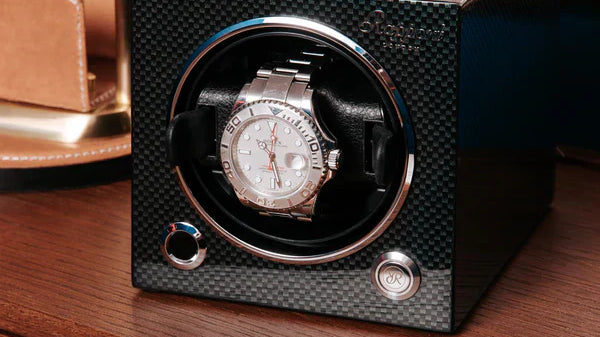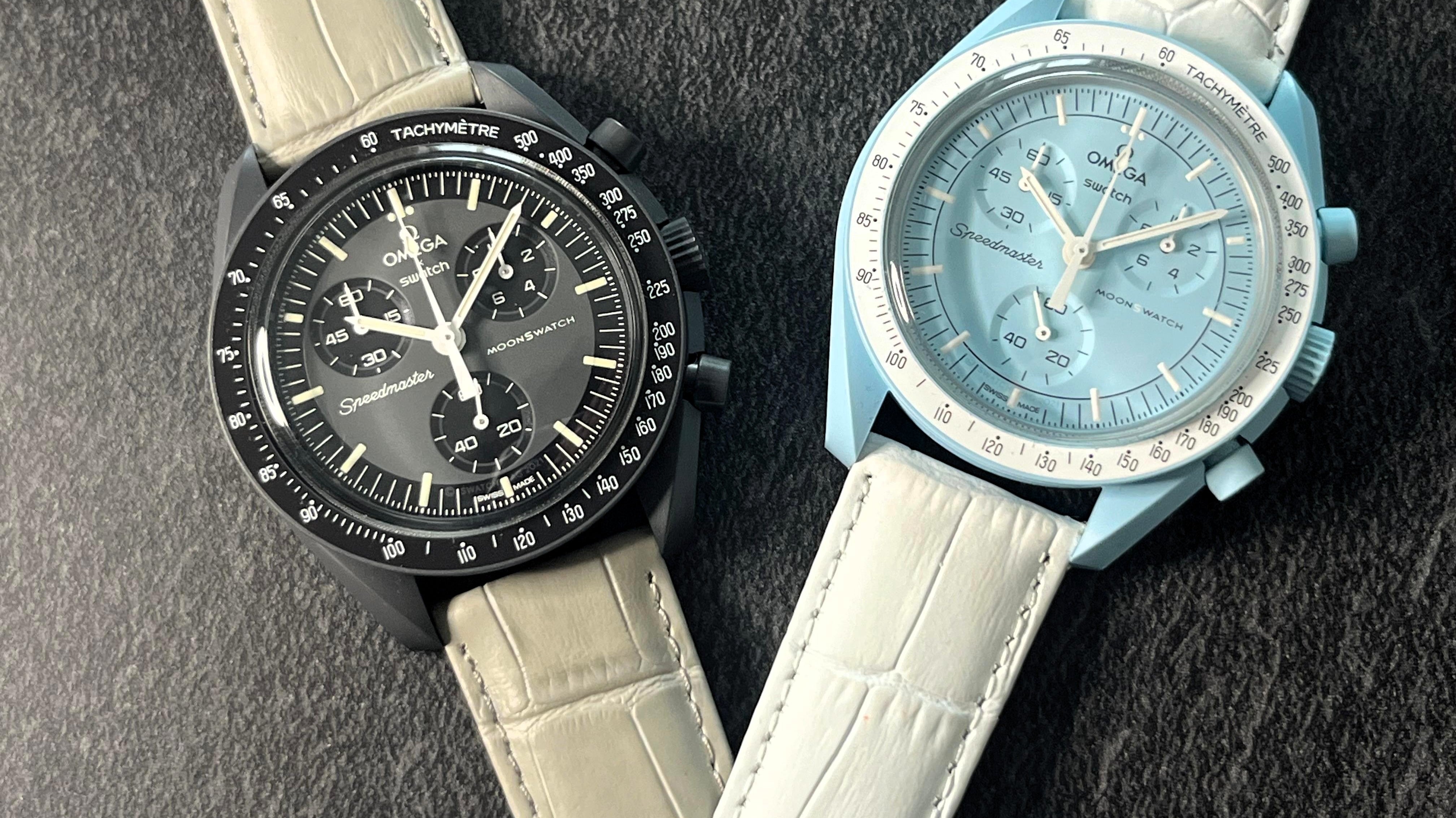


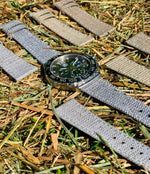






Replica wristwatches are imitations or copies of famous and high-priced brand-name watches. Such replicas aim to reproduce the appearance and functions of the genuine watches as accurately as possible and are often sold at a fraction of the price of the originals. However, they differ significantly from the originals – for example, through inferior materials and often also lower quality workmanship.
Well-known brands like Rolex, Omega, and Tag Heuer are particularly frequently affected by counterfeits. While the original watches impress with their precision, high-quality materials, and craftsmanship, often developed and curated over decades, replicas often offer only an outward resemblance without the inner values and reliability of the genuine models. These differences are crucial when it comes to the question of legality and ethical considerations when purchasing replica watches.
What are replica watches? Replica watches are imitations or copies of watches from well-known watch brands that mimic the design and appearance of the originals. They are often offered at a significantly lower price and aim to imitate expensive luxury watches. These replicas usually use inferior materials and do not have the same build quality or reliability as the genuine watches. Well-known brands such as Rolex, Omega, and Tag Heuer are frequently affected. Replica watches are illegal in many countries because they violate trademark and intellectual property rights.
Why are replica watches popular?
Replica wristwatches enjoy great popularity around the globe because they allow one to wear a (at least at first glance) luxurious brand-name watch at a fraction of the original price. For many people, the main reason for purchasing a replica is the significant price difference between replicas and originals. This is understandable to some extent, as not everyone can afford an expensive brand-name watch. While a genuine Rolex or Omega can cost several thousand euros, replicas are often available for a few hundred euros or even less.
The status associated with wearing luxury watches also plays a role. Watches from prestigious brands are often associated with success and wealth. People who can't or don't want to afford an original luxury watch therefore turn to replicas to still gain social recognition in certain circles. In doing so, they overlook differences in the watch's quality and origin.
The legal situation
The legal situation regarding replica watches is complex and varies by country. In general, trading in counterfeit watches is illegal in many countries, as it violates trademark and intellectual property rights. Even possession can have legal consequences, especially when imported or if commercial activities are likely.
Is it legal to buy replica watches?
Buying replica watches is punishable by law or at least legally problematic in most countries. Private individuals who purchase such watches for personal use often operate in a gray area. While the purchase itself is not strictly enforced in some countries, importing them can lead to problems. Customs authorities frequently confiscate counterfeit watches. Fines can also be imposed.
The commercial purchase and distribution of replicas, however, are illegal almost everywhere. This applies to both import and sale within a country. In Germany, for example, the Trademark Act applies, which stipulates severe penalties for trademark infringement – such as fines or even imprisonment. Similar laws exist in Switzerland, Austria, and many other countries. The goal of such laws is to prevent the market for counterfeit products and ensure the protection of intellectual property.

Is the sale of replica watches legal?
The sale of replicas of luxury watch brands is illegal in most countries. In Germany, trademark law regulates the protection of trademarks and their imitations. The sale of counterfeit watches violates this law. Switzerland and Austria also have similar regulations that strictly prohibit the trade in replicas.
Selling abroad is also problematic. While it is punished less severely in some countries than in Germany, international trade in counterfeit products remains a violation of international trademark law. Those who fail to comply with the laws risk not only legal consequences in their own country but also international prosecution. Penalties can be particularly harsh in the United States, where trading in counterfeit goods carries severe penalties, including hefty fines and lengthy prison sentences.
Global efforts to combat product piracy make trading in replicas a risky venture. Our table shows which countries impose which penalties:
|
country |
Law |
Punish |
|
Germany |
Trademark Act |
Fines, imprisonment of up to five years |
|
Switzerland |
Trademark Protection Act |
Fines, imprisonment of up to five years |
|
Austria |
Trademark Protection Act |
Fines, imprisonment of up to two years |
|
USA |
Lanham Act, Federal Trademark Law |
High fines, prison sentences of up to ten years |
|
France |
Code of intellectual property |
Fines, imprisonment of up to three years |
|
Italy |
Codice della Proprietà Industriale |
Fines, imprisonment of up to two years |
|
Great Britain |
Trademarks Act 1994 |
Fines, imprisonment of up to ten years |
|
Spain |
Law of Marcas |
Fines, imprisonment of up to four years |
|
Canada |
Trademarks Act |
Fines, imprisonment of up to five years |
|
Australia |
Trademarks Act 1995 |
Fines, imprisonment of up to five years |
|
Japan |
Trademark Act |
Fines, imprisonment of up to ten years |
|
China |
Trademark Law of the People's Republic of China |
Fines, imprisonment of up to seven years |
|
India |
Trademarks Act, 1999 |
Fines, imprisonment of up to three years |
|
Brazil |
Industrial Property Law |
Fines, imprisonment of up to two years |
|
Mexico |
Ley de la Propiedad Industrial |
Fines, imprisonment of up to six years |
|
South Africa |
Trademarks Act 1993 |
Fines, imprisonment of up to three years |
The risks of buying replica watches
Buying replica watches may seem tempting, offering the look of expensive luxury watches at a fraction of the price. However, this apparent advantage comes with significant risks. In addition to the inferior quality and functionality of such watches, buyers are often confronted with fake certificates and warranties. Customs issues can also arise during import, potentially leading to legal consequences. It is therefore important to be aware of these risks and only purchase watches from reputable dealers to avoid long-term problems.
In Germany, the following penalties may apply:
- Violation of the Trademark Act : Fines, imprisonment of up to five years
- Import of counterfeit products : confiscation by customs, fines
- Trade in counterfeit watches : High fines, prison sentences depending on the severity of the offense
Inferior quality and functionality
Replica watches are often poorly crafted and use inferior materials. This often leads to a shorter lifespan and unreliable functionality. Problems such as inaccurate timekeeping, defective mechanisms, and quickly worn surfaces are common. In comparison, original watches offer high quality and precision. They are made of premium materials, and their high-quality workmanship allows them to last for decades. Replicas merely offer a visual imitation without the reliability and quality of the original.
Fake certificates and guarantees
Replica watches are often sold with fake certificates and guarantees to make them appear more authentic. However, these documents have no legal value and offer no protection to the buyer. Those who fall for such counterfeits can face legal consequences, as the purchase and possession of counterfeit products is illegal in many countries. Therefore, only purchase brand-name watches from reputable dealers who offer genuine certificates and guarantees. This not only protects you from legal problems but also guarantees the quality and authenticity of the product.
Customs problems
Customs issues can arise when importing replica watches from abroad. Customs authorities regularly confiscate counterfeit products, and buyers can be subject to heavy fines. In some cases, even prison sentences. Therefore, be sure to familiarize yourself with the applicable customs regulations—or better yet, avoid purchasing such products altogether. Further information on customs regulations can usually be found on the official websites of the respective countries' customs authorities. Purchasing from reputable domestic dealers avoids all these risks and ensures that you receive a legal, high-quality product.
Conclusion
Buying replica watches may seem tempting at first glance, but it carries numerous risks. Poor quality and unreliability are just some of the problems you can expect as a buyer. In addition, there are fake certificates and warranties that offer no legal protection. Customs problems and severe penalties for importing and trading counterfeit products are further negative aspects.
Furthermore, ethical considerations should not be neglected, as purchasing replicas supports trademark infringement and undermines the work of the original manufacturers. So, think carefully about whether you want to support the counterfeiters' business model with your watch purchase—or whether you would rather spend more money and support the genuine artisans in their cause.
If you ultimately decide to buy a genuine brand-name watch, you can find matching watch straps at Happystrapy .
FAQs
Are replica watches legal in Germany?
No, the trade and distribution of replica watches is illegal in Germany. Owning them for private use is often tolerated, but importing and commercial distribution can lead to fines and imprisonment.
What is the difference between original and replica?
Original watches are high-quality, trademarked products, while replicas are imitations. Originals offer the highest quality materials and craftsmanship, while replicas are usually inferior and infringe trademark rights.
Why are replica watches so much cheaper than original watches?
Replica watches are cheaper because they use inferior materials and production techniques. They also eliminate the research, development, and brand licensing fees associated with originals.